The Day a Shooting Range Failed Its Safety Test: How Military Bastion Created a More Reliable Bullet Protection System
The first inspection team arrived at a military training facility in Central Europe.The shooting range looked normal from a distance. The targets were positioned correctly, the firing lanes were ready, and the safety area appeared secure.
But when the engineers walked closer to the backstop, they noticed the problem.The soil protection wall behind the targets had changed.
After years of repeated shooting, the surface had become uneven. Some areas had lost their original shape, while others required constant repair after heavy training sessions.
The range manager explained:
“The system was still stopping bullets. But we were spending more time repairing the protection area than using the training facility.”
This led them to redesign the shooting area using a Military Bastion shooting range barrier system.
Rebuilding the Shooting Area Around Real-World Use
The upgrade project was completed in several stages.
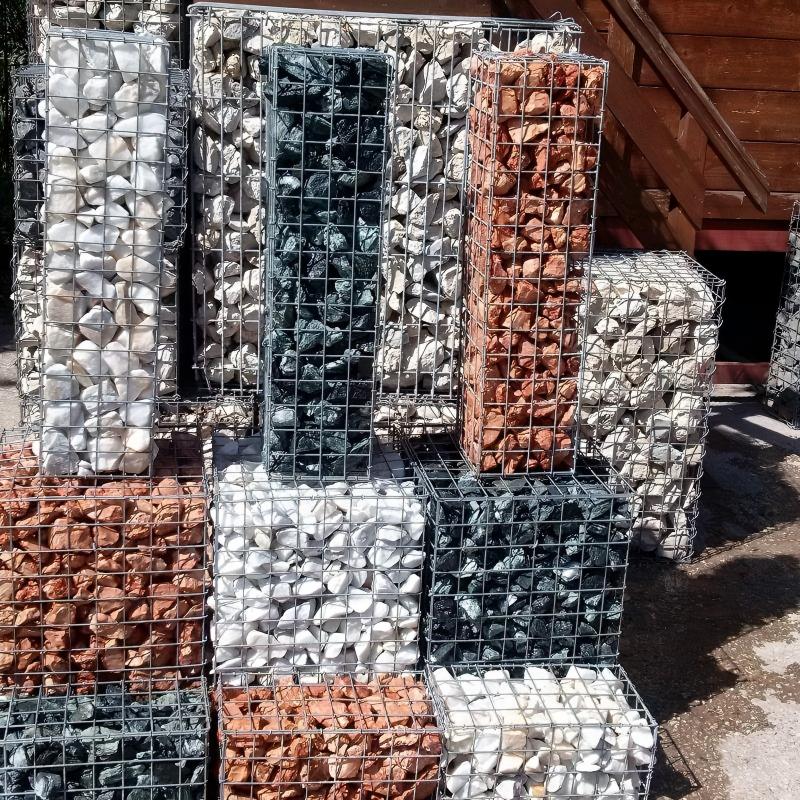
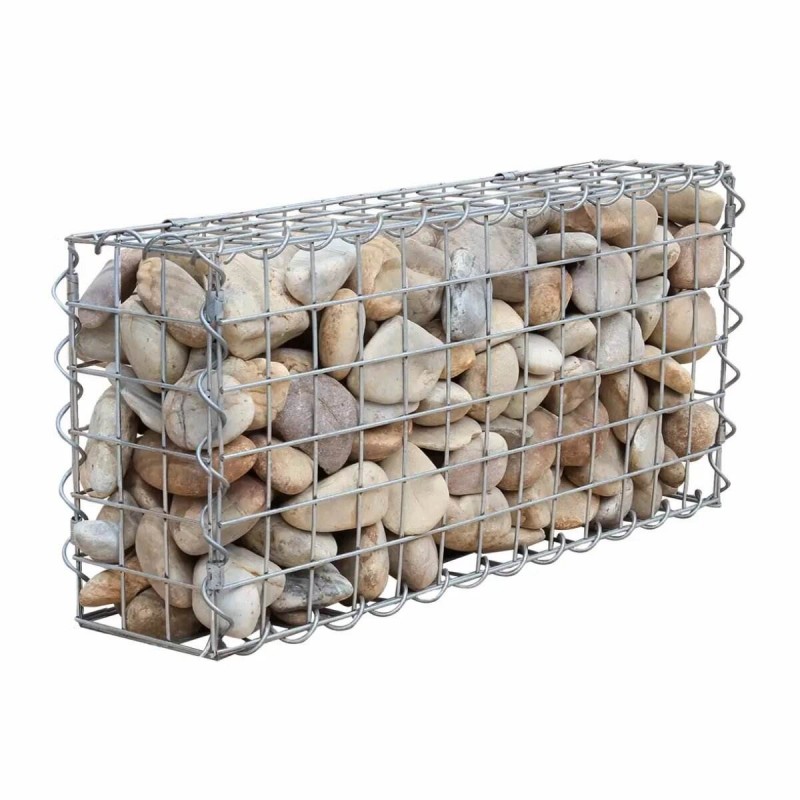
First, the team installed Military Bastion units behind the main target area to strengthen the bullet containment zone.
Then, additional sections were placed along the sides of the shooting lanes to improve safety separation.
Finally, the engineers redesigned several maintenance areas so damaged sections could be accessed without disturbing the entire structure.
Why Soil-Based Protection Still Matters
1.Without a proper structure, soil can move, erode, or require frequent reshaping.
2.With Military Bastion, the soil becomes a controlled protective layer supported by a durable outer framework.
This combination creates a balance between flexibility and strength.
The most successful protection systems are not always the most complicated ones.
Sometimes, the best engineering solution is a design that understands how the environment works — and uses that knowledge to create safer spaces.