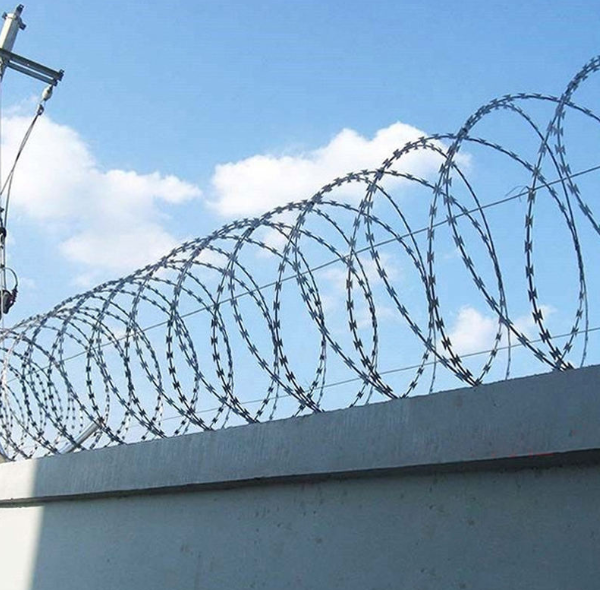
How Emergency Airfield Fencing Repairs Prevented a Runway Disaster
The Midnight Impact That Shattered the Safety Zone
During a heavy downpour, an out-of-control service vehicle veered off an adjacent public roadway and smashed directly into the boundary line of a major cargo hub. A 40-foot stretch of traditional wire mesh was flattened, leaving the active taxiway completely exposed to the outside world.
With heavy cargo flights scheduled to land within hours, the airport faced an immediate operational crisis. Federal aviation rules dictate that any compromised boundary along an active movement area must be secured or manned continuously, threatening massive flight cancellations and exorbitant security overtime costs.
The maintenance team needed an instant deployment of heavy-duty airfield fencing to restore compliance and secure the zone before dawn.
The Hidden Dangers of Vulnerable Airfield Boundaries
1.Frayed or damaged wire mesh can shed small metal fragments onto active movement areas, threatening jet engines.
2.Traditional light-duty barriers can buckle under the intense wind thrust generated by large commercial aircraft.
3.Unsecured boundaries trigger mandatory ground stops, costing airports thousands of dollars per minute.
The Rapid Response: Heavy-Duty Modular Airfield Fencing
Mobilizing their emergency response protocol, the engineering crew deployed pre-fabricated modular airfield fencing sections designed for rapid installation:
Bolt-Together Modular Panels: Systems that require zero heavy welding on-site, allowing fast assembly in adverse weather conditions.
Jet-Blast Rated Profiles: Reinforced posts engineered to withstand high wind loads and turbulence from nearby engine tests.
High-Visibility Finishes: Matte-black or galvanized coatings that prevent glare for pilots while offering maximum structural rigidity.
Thanks to the pre-engineered modular design, the maintenance crew replaced the entire 40-foot damaged section in under three hours.
By utilizing dependable, high-impact airfield fencing, the facility averted a multi-million-dollar shutdown and reinforced its resilience against unexpected physical emergencies.